Health and Safety Policy — Putney Man with Van Rubbish Services
 Purpose and commitment. This document sets out the formal health and safety policy for Putney Man with Van and affiliated rubbish removal operations. The company is committed to preventing injury, illness and environmental harm while delivering man-and-van removal, waste clearance and residential rubbish services. Our objective is to comply with statutory duties, apply recognised good practice and maintain an effective management system so that risks to drivers, loaders, operatives, clients and the public are reduced to as low as reasonably practicable. The policy covers the full service area and operational activities without over-specifying local legal provisions.
The organisation applies a risk-based approach to all activities related to man and van rubbish removal, including collection, loading, transport, temporary storage and lawful disposal. Management will ensure resources are available for competent supervision, suitable vehicles and containment systems, appropriate personal protective equipment (PPE) and systematic training for staff and contractors. All employees and subcontractors are expected to work in accordance with this policy and to actively support a positive safety culture by reporting hazards, near misses and unsafe acts.
 Scope and definitions. This policy applies to all workers engaged in rubbish removal, clearance and related services offered by Putney man and van teams, including regular employees, temporary staff and approved contractors. "Rubbish" and "waste" are used generically to describe household, commercial and light construction materials that are handled by the service. Activities such as bulky item uplift, recycling segregation, and light demolition debris clearance are included. Specific hazardous wastes (e.g., asbestos, chemical containers, medical waste) are identified and managed under separate controls; these are excluded from routine loads unless authorised and handled by trained specialists.
Responsibilities and duties
Senior management holds ultimate responsibility for health and safety and will provide leadership by ensuring policy implementation, regular review and continual improvement. Line managers and drivers are responsible for operational compliance, vehicle maintenance, correct loading and securing of waste, manual handling techniques and verifying waste composition before acceptance. All staff must participate in induction training, attend refresher sessions and follow safe systems of work. Contractors engaged to support services must demonstrate equivalent safety standards and hold appropriate insurances and competence evidence.
Risk assessment and controls
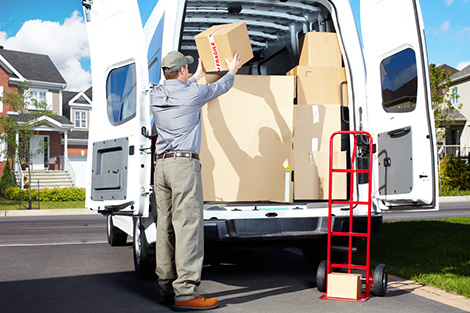
We conduct documented risk assessments for routine and non-routine tasks. Control measures include hierarchy-based actions: elimination or substitution of hazards where possible, engineering controls such as secure containment and tail-lift use, administrative controls including permit-to-work for unusual loads, and PPE for tasks that cannot be otherwise safeguarded. Key hazards addressed are manual handling, slips and trips, vehicle movements, violence and aggression during doorstep collections, sharps or contaminated waste, and exposure to dust or biohazardous materials.Operational controls for man with van waste removal services emphasise safe loading practices: clear access, correct segregation of recyclables, avoidance of overloading, using mechanical aids where practical and ensuring vehicles are correctly signed, lit and maintained. Staff must complete pre-shift vehicle checks, log defects and refuse to operate unsafe equipment. Securely fastening loads and complying with weight limits protects both the workforce and other road users.
Training, competence and supervision are cornerstones of the policy. We provide induction training for new recruits covering safe manual handling, vehicle safety, waste classification, use of PPE, incident reporting procedures and customer interaction protocols. Regular toolbox talks and practical refresher modules keep teams informed of changes to procedures and emerging risks. Supervisors conduct routine spot checks and audits to ensure compliance; records of training and competence checks are maintained to support monitoring and legal accountability.
 Incident management and reporting. Any accident, near miss or environmental release must be reported immediately through the designated reporting system. Incidents are investigated proportionately to identify root causes and corrective actions. Where appropriate, corrective actions are tracked to completion and lessons learned are communicated to all teams. We emphasise a no-blame reporting culture to encourage early reporting and learning. First-aid provisions and emergency response arrangements are maintained across the service fleet.
 Special waste and hazardous materials handling. Items that present chemical, biological or asbestos-related risk are managed under strict controls. Staff are trained to identify suspect materials and to refuse acceptance where necessary, arranging for specialist removal if required. Sharps and contaminated waste are segregated into suitable containers, labelled and handled only by competent persons following statutory disposal routes. The company maintains written procedures for the assessment, containment and transfer of potentially hazardous items to ensure safety of operatives and the public while protecting the environment.
Monitoring, review and continuous improvement. The policy is subject to periodic review to account for operational changes, incident trends, regulatory developments and feedback from workforce safety inspections. Performance indicators include incident frequency, timely completion of corrective actions, training uptake and audit findings. Management will review policy effectiveness at least annually and update it as required to maintain a robust health and safety management system for our rubbish clearance and removal operations.
Environment and waste minimisation. As a rubbish removal operator, the company promotes waste hierarchy principles: reduce, reuse, recycle and recover. Where practicable we divert materials from landfill through segregation and partnership with recycling outlets. Environmental controls include preventing littering during transit, securing loads, controlling dust and ensuring lawful disposal routes that minimise ecological impact.
By implementing this policy, Putney removal teams and associated rubbish collection services commit to protecting people and the environment while delivering a dependable man-and-van service. All personnel are required to read, understand and comply with the policy. Management will provide the necessary resources to ensure safety obligations are met and to sustain a culture of responsible waste handling and continuous safety improvement.